
Introduction
Fashion trends represent the styles, designs, and cultural influences that shape how people dress and express themselves. These trends evolve based on lifestyle changes, technology, social values, and global culture.
As we move into 2026, the fashion world is entering a transformative era. Technology is advancing faster than ever, sustainability is no longer optional, and consumers want clothing that blends style, comfort, and personal identity. This makes 2026 a milestone year for the future of fashion—where innovation meets responsibility.
The key themes defining fashion in 2026 include:
- Sustainability: eco-friendly fabrics, circular fashion, and low-impact production
- Tech-Integration: smart clothing, wearables, digital fashion, AR dressing
- Comfort: relaxed fits, adaptive wear, breathable materials
- Personalization: custom designs, AI-driven styling, made-to-order fashion
Sustainable Fashion Revolution
Sustainability is no longer a trend—it has become the foundation of modern fashion. By 2026, the industry is experiencing a major shift toward eco-conscious innovation, responsible production, and ethical consumer behavior.
Growth of Regenerative Fabrics
Regenerative materials are taking center stage as brands move beyond traditional organic fabrics. These include:
- Regenerative cotton, grown using soil-restoring agricultural practices
- Mycelium leather, made from mushroom roots
- Bio-based polyester alternatives, created from algae or plant-based sources
- Lab-grown textiles, offering reduced water and chemical use
These fabrics not only reduce environmental impact but also help restore ecosystems.
Rise of Zero-Waste Production Techniques
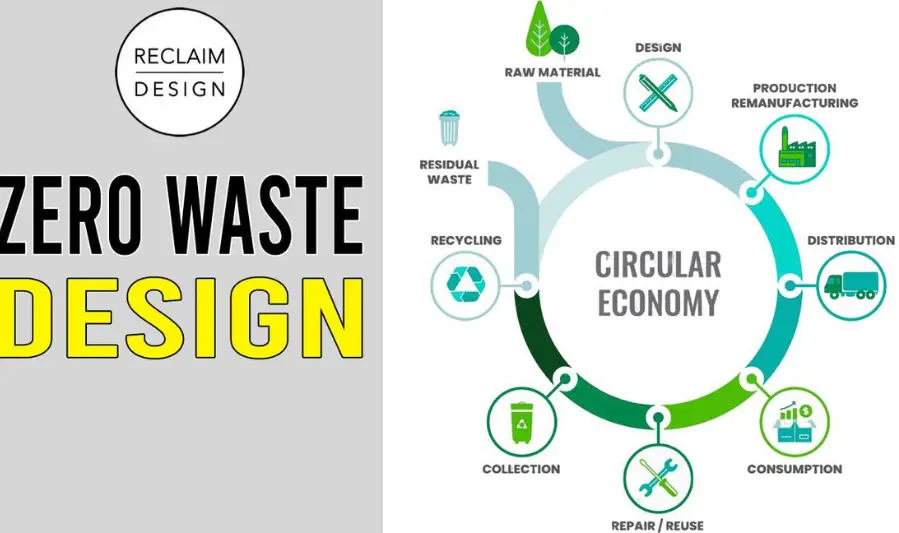
To combat textile waste, fashion houses are adopting:
- 3D knitting, which produces garments with no leftover scraps
- Upcycling and creative reuse, turning old garments into new designs
- Modular clothing, where parts can be replaced instead of discarding entire pieces
- Pattern-cutting technologies designed specifically to eliminate fabric waste
These practices significantly cut landfill waste and encourage responsible fashion manufacturing.
Popular Eco-Friendly Brands in 2026
Several brands are leading the sustainability movement:
- Patagonia – championing circular fashion and repair programs
- Stella McCartney – innovating with luxury vegan materials
- Allbirds – known for carbon-negative footwear
- Pangaia – pioneering bio-engineered materials
- Everlane – promoting radical transparency in production
These brands influence the larger industry to adopt eco-friendly practices.
Consumer Shift Toward Ethical Choices
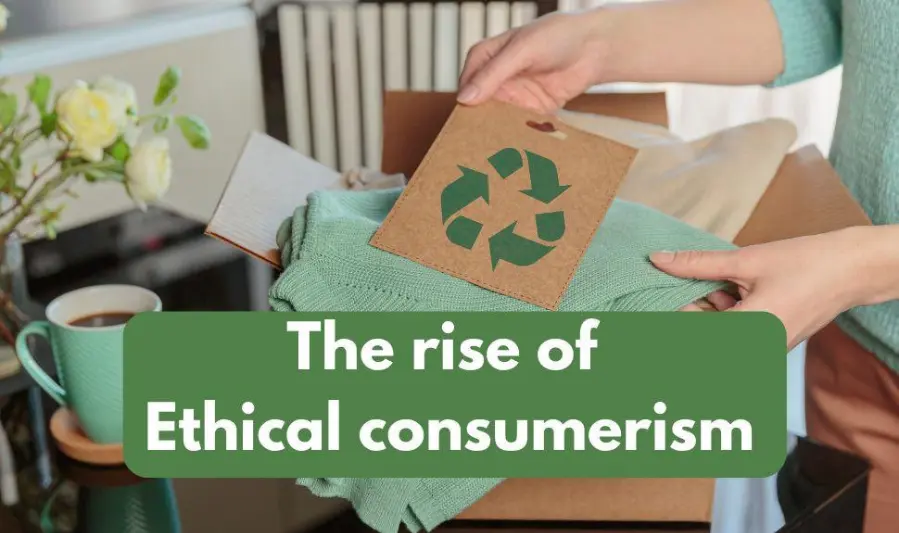
Modern consumers are more informed and concerned about environmental impact. In 2026, shoppers are choosing:
- Clothes made from eco-friendly materials
- Brands offering transparent supply chains
- Products with repair, recycle, or resale programs
- Ethical certifications such as Fair Trade, B Corp, and GOTS
This growing demand is pushing fashion companies to prioritize sustainability from design to delivery.
AI & Technology in Fashion
Technology is transforming the fashion industry, making it smarter, faster, and highly personalized. In 2026, AI and advanced digital tools are shaping both design and consumer experience.
AI-Designed Clothing Collection
Artificial intelligence is becoming a creative partner for designers.
Key Features
- AI generates unique patterns, silhouettes, and color palettes
- Predicts upcoming fashion trends based on global data
- Speeds up seasonal collections with optimized designs
- Reduces material waste through virtual prototypes
AI-assisted design allows brands to innovate while minimizing trial-and-error production.
Virtual Try-On Technology for Online Shopping
Augmented reality (AR) is enhancing the online shopping experience.
Benefits
- Customers can see how clothes fit their body shape virtually
- Accurate size predictions reduce returns and exchanges
- Interactive shopping allows mix-and-match outfits in real time
- Creates engaging, immersive experiences for online shoppers
Virtual try-ons are bridging the gap between physical and digital retail.
Personal Styling Apps Powered by Machine Learning
AI-driven styling apps are helping consumers make smarter fashion choices.
Capabilities
- Suggest outfits based on wardrobe, weather, and personal style
- Learn from user preferences to provide custom recommendations
- Offer budget-friendly alternatives and mix-and-match ideas
- Include features like style quizzes, mood boards, and wardrobe management
These apps make fashion personal, efficient, and tech-enabled.
3D Printing in Fashion Manufacturing
3D printing is revolutionizing garment and accessory production.
Applications
- Create custom-fitted clothing on demand
- Reduce waste with precision material use
- Enable innovative designs not possible with traditional methods
- Speeds up production for shoes, jewelry, and wearable tech
3D printing merges sustainability, innovation, and futuristic fashion aesthetics.
Futuristic Fabrics & Materials
Fashion in 2026 is embracing innovative textiles that combine style, functionality, and sustainability. From high-tech fabrics to bio-engineered materials, clothing is becoming smarter and more expressive.
Metallic and Holographic Textile Trends
Shimmering and reflective fabrics are a key highlight of futuristic fashion.
Key Features
- Metallic fabrics for jackets, accessories, and statement pieces
- Holographic materials creating rainbow-like reflections
- Fabrics that change color under different lighting
- Popular in streetwear, high-fashion, and festival outfits
These textiles offer a bold, space-age aesthetic.
Smart Fabrics (Temperature Control, Sensors, Stretch-Tech)
Smart textiles combine comfort and functionality in everyday wear.
Technologies and Uses
- Temperature-regulating fabrics to keep wearers cool or warm
- Embedded sensors for heart rate, posture, or activity monitoring
- Stretch-tech materials enhancing flexibility and comfort
- Ideal for athleisure, health-focused apparel, and lifestyle wear
Smart fabrics make clothing interactive and highly functional.
Lab-Grown and Bio-Engineered Materials
Sustainability meets innovation with bio-engineered textiles.
Innovative Materials
- Lab-grown leather from mushrooms (mycelium) or plant fibers
- Bio-engineered silk and cotton alternatives reducing environmental impact
- Fully biodegradable and recyclable fabrics
- Supports eco-friendly fashion without compromising quality or style
These materials represent the future of responsible, high-performance fashion.
Streetwear Transformation
Streetwear in 2026 continues to evolve, merging comfort, functionality, and luxury elements. Influenced heavily by youth culture and social media, streetwear is becoming both expressive and aspirational.
Oversized Silhouettes Dominating 2026
Oversized clothing remains a major trend in streetwear.
Key Highlights
- Baggy hoodies, wide-leg pants, and oversized tees
- Gender-neutral and relaxed fits for maximum comfort
- Inspired by K-pop, hip-hop, and global street culture
- Blends style with ease of movement, ideal for everyday wear
Updated Cargo Pants and Utility Wear
Utility and techwear are reimagined with modern styling.
Features
- Sleek cargo pants with functional, multi-pocket designs
- Utility vests, tactical jackets, and techwear accessories
- Durable, lightweight fabrics engineered for mobility
- Combines practicality with a futuristic aesthetic
Streetwear + Luxury Crossover Style
High-end fashion and streetwear continue to merge seamlessly.
Trends
- Designer brands collaborating with street labels
- Premium fabrics like leather, suede, and metallic finishes
- Statement sneakers, oversized blazers, and bold accessories
- Luxury fashion embracing youthful, expressive street style
Influence of TikTok and Youth Culture
Social media continues to shape streetwear trends globally.
Impact
- Viral outfit challenges drive micro-trends
- DIY styling and thrift flips influence creative streetwear looks
- Real-time trend cycles allow fashion to go from viral → sold out in days
- Youth-driven content promotes playful, expressive, and bold styling
Minimalist Luxe Trend
The minimalist luxe trend in 2026 emphasizes timeless elegance, simplicity, and quality. It focuses on clean designs, neutral tones, and sustainable practices, appealing to those who value sophistication over flashiness.
Neutral Tones and Quiet Luxury
Neutral color palettes are central to minimalist luxe fashion.
Key Shades
- Soft beiges, creams, greys, and muted pastels
- Earthy browns and subtle metallic accents
- Quiet luxury expressed through tone and texture rather than logos
- Ideal for creating understated yet stylish outfits
High-Quality Materials With Simple Designs
Simplicity and craftsmanship are at the heart of this trend.
Material & Design Highlights
- Premium fabrics: cotton, linen, silk, cashmere, and sustainable alternatives
- Structured silhouettes with minimal embellishments
- Durable, timeless designs that prioritize longevity over fast trends
- Focus on clean lines, versatile cuts, and elegance
You may also like to read these posts:
Beginner’s Guide to Managed IT Services for Smart Business Growth
Best Cloud Storage Options for Businesses & Individuals
Easy Core Java Tutorials for Beginners to Start Coding
System Architecture Design Tips for Building Better Systems
Trend Forecast: Fashion Trends 2026 You Need to Know
Capsule Wardrobe Trend Rising in 2026
Capsule wardrobes are gaining popularity as part of minimalist fashion.
Why Capsule Wardrobes Are Trending
- Encourages mindful shopping and sustainability
- Reduces wardrobe clutter and simplifies daily styling
- Promotes mix-and-match outfits with timeless pieces
Essential Capsule Pieces
- Neutral blazers and coats
- Minimalist trousers and skirts
- High-quality basics: tees, shirts, and knitwear
- Versatile shoes and statement outerwear
Wearable Tech Enhancements
In 2026, fashion is becoming interactive and functional, integrating technology directly into clothing and accessories. Wearable tech combines style with performance, health monitoring, and energy efficiency.
Smart Jackets and Heated Clothing
Outerwear is evolving with embedded technology for comfort and convenience.
Features
- Temperature-regulating jackets that heat or cool automatically
- Built-in sensors for location tracking and safety alerts
- Lightweight, rechargeable battery systems for extended wear
- Stylish designs merging functionality with aesthetics
Health-Monitoring Apparel
Apparel is no longer just for style—it tracks wellness.
Capabilities
- Fabrics with embedded heart rate, posture, and activity sensors
- Breathable, sweat-wicking materials for real-time monitoring
- Connected apps providing fitness and health insights
- Suitable for athletes, active lifestyles, and wellness-focused consumers
LED and Solar-Powered Accessories
Accessories are now energy-smart and visually striking.
Innovations
- LED jackets, bags, and sneakers for visibility and personalization
- Solar-powered backpacks and jackets for charging small devices
- Interactive displays for messages, patterns, or animations
- Merging futuristic aesthetics with sustainability and tech functionality
Faqs:
What are the key fashion trends in 2026?
The key trends include sustainable fabrics, AI-powered personalization, futuristic metallic and holographic styles, oversized streetwear, minimalist luxury, and retro-inspired fashion.
How is technology shaping fashion in 2026?
Technology influences fashion through AI-designed outfits, virtual try-ons, wearable tech, smart fabrics, and 3D-printed clothing for personalized and functional designs.
What sustainable fashion practices will be popular in 2026?
Consumers will favor eco-friendly fabrics like hemp and bamboo, recycled and upcycled clothing, zero-waste production methods, and regenerative fashion initiatives.
Which retro styles are making a comeback in 2026?
Trends from the 90s and Y2K are returning, including low-rise trousers, denim-on-denim outfits, crop tops, vibrant accessories, and playful nostalgic prints.
How can consumers stay on trend in 2026?
By investing in sustainable pieces, mixing futuristic and retro styles, experimenting with bold colors and patterns, and using AI styling tools for personalized outfits.
Conclusion
Fashion Trends 2026 showcase a blend of sustainability, technology, and creative expression. With eco-friendly fabrics, AI-driven personalized outfits, futuristic metallics, retro revivals, and bold streetwear, the coming year offers exciting opportunities to refresh your wardrobe. By embracing these trends thoughtfully, fashion enthusiasts can stay stylish while supporting innovation and sustainability.