
Introduction
Why Updating Your Wardrobe Matters
Staying Current
Refreshing your wardrobe helps you keep up with new trends, seasons, and lifestyle changes.
Personal Growth
As your style evolves, updating your clothes ensures your wardrobe reflects who you are today.
Benefits of Refreshing Your Style
Improved Outfit Choices
A refreshed wardrobe gives you more stylish, wearable options for daily life.
Better Functionality
Replacing outdated or unused pieces helps create a practical, easy-to-style collection.
How a Modern Wardrobe Boosts Confidence
Look Good, Feel Good
Wearing updated, well-fitted clothes instantly lifts your confidence and enhances self-expression.
Positive First Impressions
A polished, modern wardrobe helps you present yourself confidently in both personal and professional settings.
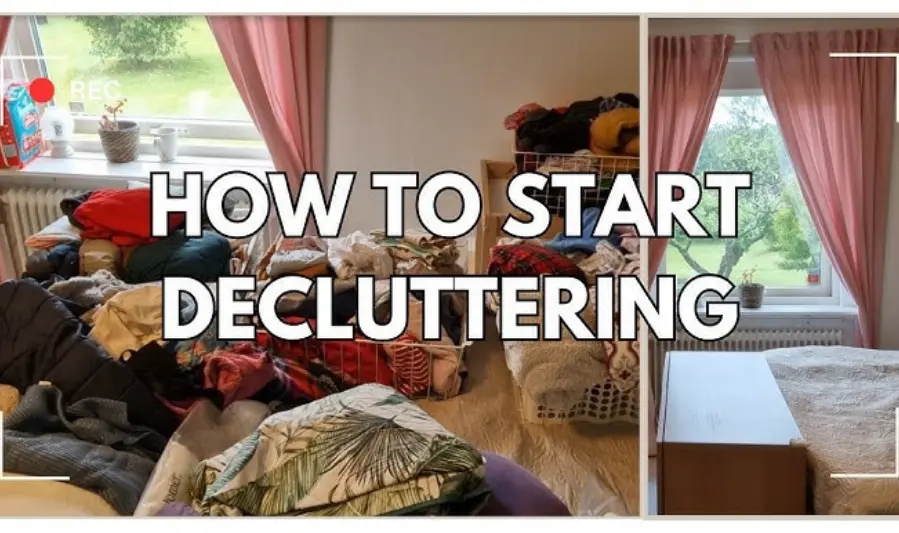
Start with Decluttering
Steps to Evaluate Old Clothes
Practical Review Method
Go through your wardrobe and check each item for fit, comfort, condition, and how often you wear it.
Try-On Test
Try pieces on to see if they still match your current style and lifestyle.
What to Keep, Donate, or Recycle
Keep
Items that fit well, feel comfortable, and align with your current style.
Donate
Clothes in good condition that you no longer wear.
Recycle
Worn-out, damaged, or unusable items that cannot be donated.
Importance of a Clean, Simplified Closet

Better Organization
A decluttered closet makes it easier to find and coordinate outfits.
More Space
Removing unnecessary items creates room for updated, stylish pieces.
Mental Clarity
A simplified wardrobe reduces decision fatigue and makes getting ready stress-free.
Analyze Your Personal Style
Identifying Your Preferred Colors
Find Your Color Palette
Look at the colors you naturally gravitate toward—neutrals, pastels, bold tones—and identify which shades complement your skin tone.
Build Around Favorites
Focus on colors you love and feel confident wearing to create a cohesive wardrobe.
Understanding Your Lifestyle Needs
Match Clothing to Daily Activities
Consider your routine—work, travel, events, workouts—and choose clothing that supports your lifestyle.
Practical Over Trendy
Pick versatile pieces that you’ll actually wear instead of following trends that don’t suit your everyday life.
Creating a Style Inspiration Board
Visualize Your Aesthetic
Collect photos from Pinterest, Instagram, or magazines to identify outfits and silhouettes you admire.
Use It as a Guide
Your board helps you stay consistent when shopping and ensures new pieces match your desired style.
Build a Foundation with Basics
Must-Have Tops and Shirts
Essential Everyday Pieces
Invest in classic tops like plain T-shirts, button-down shirts, and versatile blouses that work for both casual and formal looks.
Neutral Colors First
Start with blacks, whites, greys, and beiges to create easy mix-and-match combinations.
Essential Bottoms and Jeans
Core Bottom Options
Include well-fitted jeans, neutral trousers, and comfortable leggings or casual pants to cover different daily needs.
Versatility Matters
Choose cuts and fabrics that pair well with multiple tops for effortless styling.
Outerwear That Works Year-Round
Timeless Layers
A denim jacket, lightweight cardigan, and tailored blazer are perfect for all seasons and easy layering.
Practical & Stylish
These staples help transition your outfits from warm to cool weather without replacing your entire wardrobe.
Footwear Basics for Daily Wear
Everyday Comfort
Start with comfortable sneakers, neutral flats, and classic loafers for reliable daily wear.
Build-Up Slowly
Once basics are covered, add boots or heels based on your lifestyle and fashion preferences.
Add Trendy Statement Pieces
Current Fashion Trends to Consider
Trend Highlights
Look for trending items like bold prints, oversized blazers, wide-leg pants, metallic accessories, or modern sneakers that bring freshness to your wardrobe.
Seasonal Updates
Choose 1–2 trend pieces each season to keep your style current without overwhelming your closet.
Balancing Basics with Statement Items
Mix for Harmony
Pair standout pieces with simple basics—like wearing a bold top with neutral jeans or a colorful blazer over a plain dress—to create balanced looks.
Let One Item Shine
Focus on one statement element per outfit to maintain a stylish yet polished look.
How to Avoid Trend Overload
Choose Wisely
Only buy trends that match your style, lifestyle, and comfort level.
Quality Over Quantity
Invest in a few well-made trend pieces instead of buying multiple items you may not wear long-term.
Stay True to Your Style
Trends should enhance your wardrobe—not change your identity.
Refresh Accessories
Jewelry Essentials
Simple & Stylish Pieces
Invest in timeless items like stud earrings, layered necklaces, bracelets, and rings that elevate everyday outfits.
Mix & Match
Combine minimal jewelry with bold pieces to create personalized, versatile looks.
Handbags and Belts
Functional Must-Haves
Include a classic handbag, a crossbody for daily use, and a structured tote for work or travel.
Belts for Definition
A good-quality belt helps shape outfits, adds polish, and pairs perfectly with dresses, trousers, or long tops.
Scarves, Hats, and Other Add-Ons
Seasonal Extras
Scarves, hats, and gloves add warmth in winter, while lightweight scarves and caps enhance summer style.
Style Boost
These accessories are easy ways to add color, personality, and finishing touches to any outfit.
Outfit Mix-and-Match Guide
Layering Tips
Smart Layering Techniques
Use lightweight basics as your base—like tanks, tees, or shirts—then add cardigans, blazers, or jackets for depth and style.
Seasonal Layering
Layer breathable fabrics in summer and cozy knits in winter to create functional, stylish outfits all year long.
You may also like to read these posts:
Beginner’s Guide to Managed IT Services for Smart Business Growth
Best Cloud Storage Options for Businesses & Individuals
Easy Core Java Tutorials for Beginners to Start Coding
System Architecture Design Tips for Building Better Systems
Trend Forecast: Fashion Trends 2026 You Need to Know
Creating Multiple Outfits with Fewer Clothes
Capsule Wardrobe Approach
Choose versatile pieces that pair easily with each other, such as neutral tops, classic jeans, and multi-use outerwear.
Mix Basics with Statements
Combine your essentials with standout pieces to create new looks without needing a large wardrobe.
Color Coordination Ideas
Build a Color Palette
Start with neutral tones—black, white, beige, grey—and add accent colors that complement each other.
Easy Matching
Choose 2–3 main colors and mix them across tops, bottoms, and accessories for balanced, cohesive outfits.
Faqs:
How often should I update my wardrobe?
It’s ideal to refresh your wardrobe every season or at least twice a year to remove old items, add trendy pieces, and keep your style fresh.
What are the first steps to updating a wardrobe?
Start by decluttering—remove clothes you no longer wear, assess your current style, and decide what essentials or statement pieces to add.
How can I add trendy items without overspending?
Focus on a few versatile statement pieces, shop sales, thrift stores, or online discounts, and mix them with your existing wardrobe basics.
How do I determine my personal style?
Look at your favorite outfits, colors you naturally gravitate towards, lifestyle needs, and create a mood board of inspirations to guide your wardrobe updates.
Can accessories make old clothes look new?
Yes! Adding new jewelry, bags, belts, scarves, or hats can completely refresh your outfits and give old pieces a modern twist.
Conclusion
Updating your wardrobe is all about creating a fresh, stylish, and functional closet that reflects your personality. By decluttering, adding timeless basics, incorporating trendy statement pieces, refreshing accessories, and shopping smartly, you can transform your wardrobe without overspending. Regular updates and proper clothing care ensure your wardrobe stays organized, versatile, and ready for any occasion.